
Restoration in action
We survey, restore, and protect Card Sound's marine habitats through rigorous science and community effort.
How we work
Four pillars guide our mission to restore Card Sound
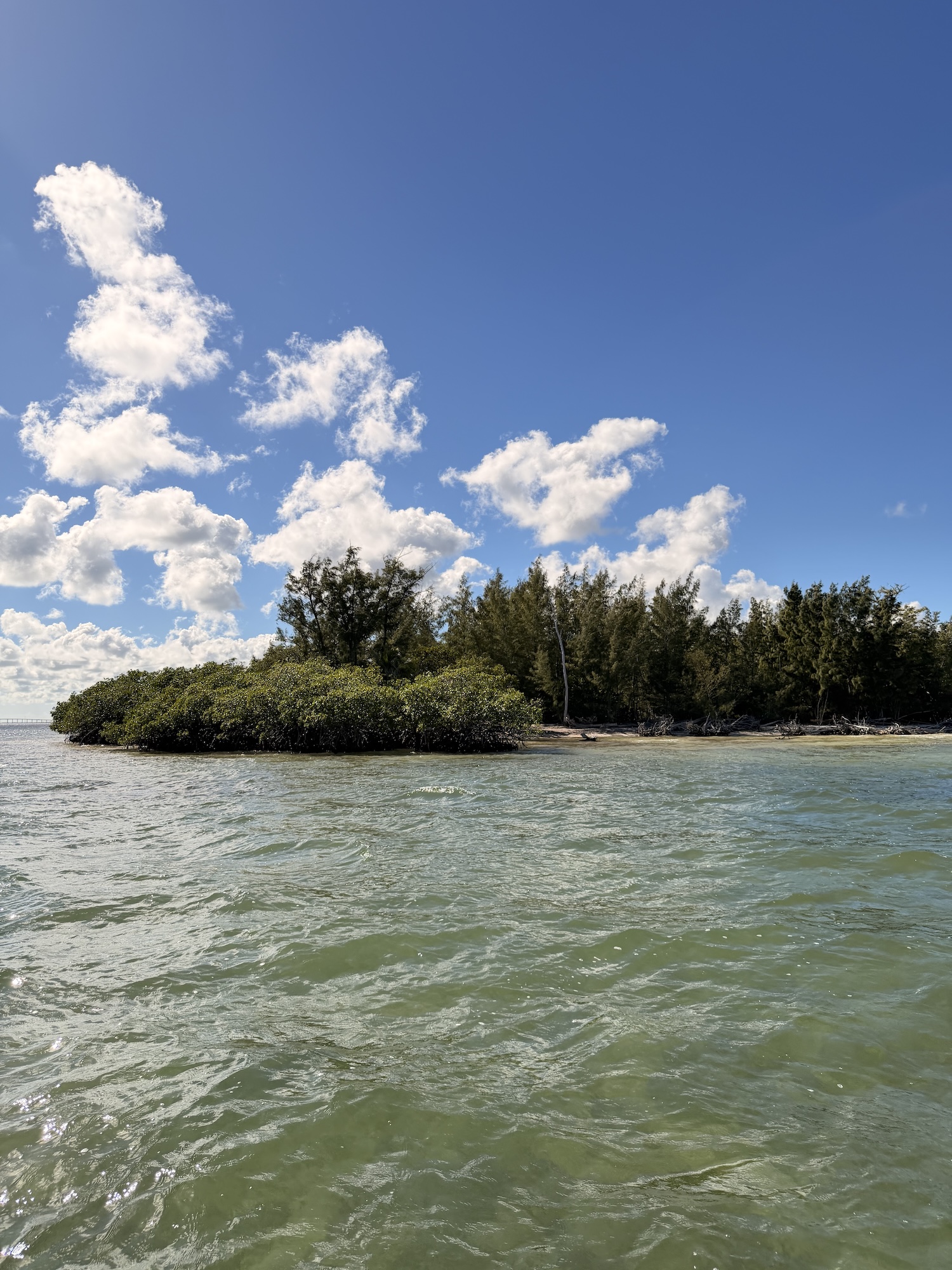
Habitat restoration brings ecosystems back
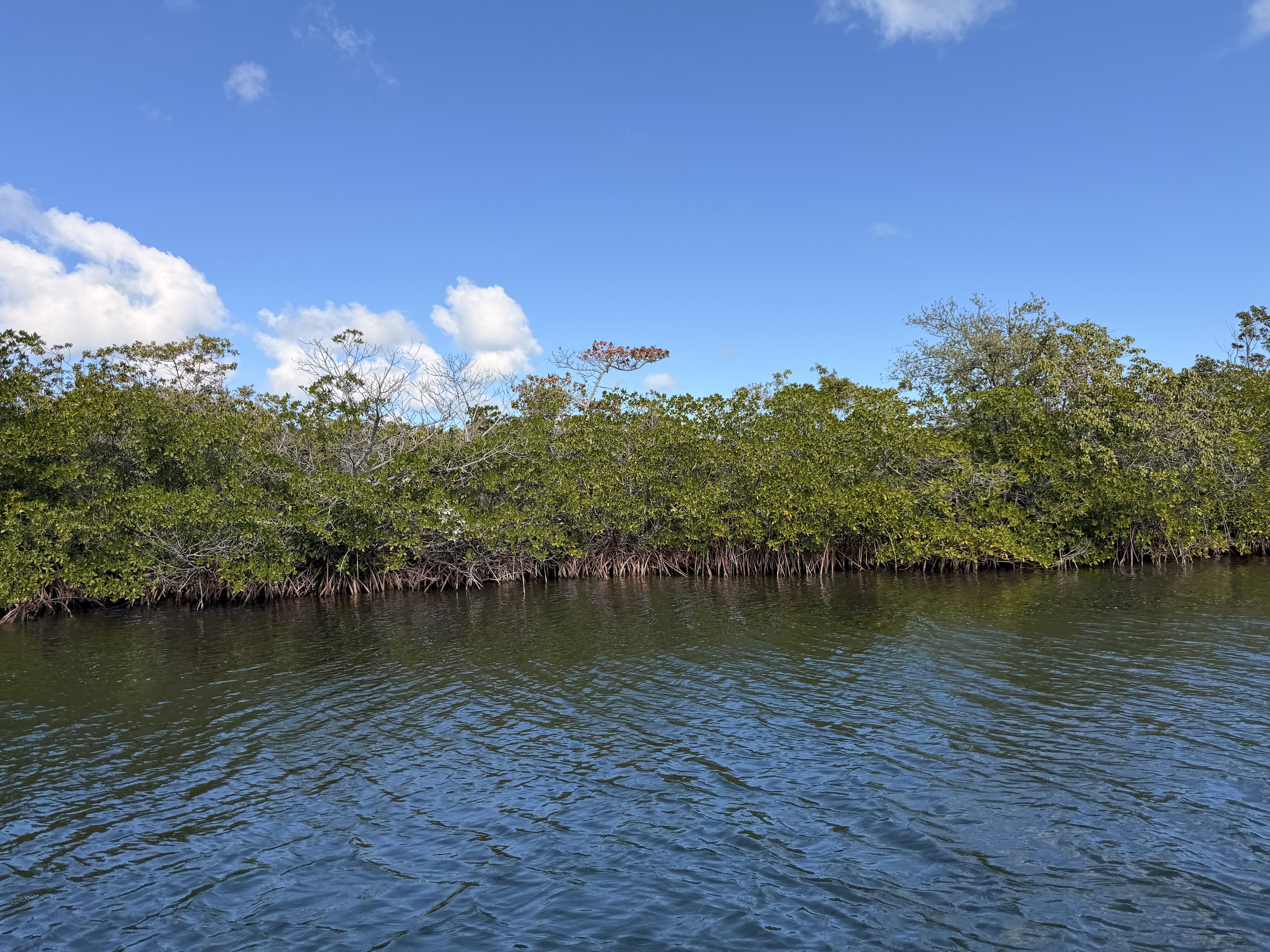
Scientific surveying grounds our efforts
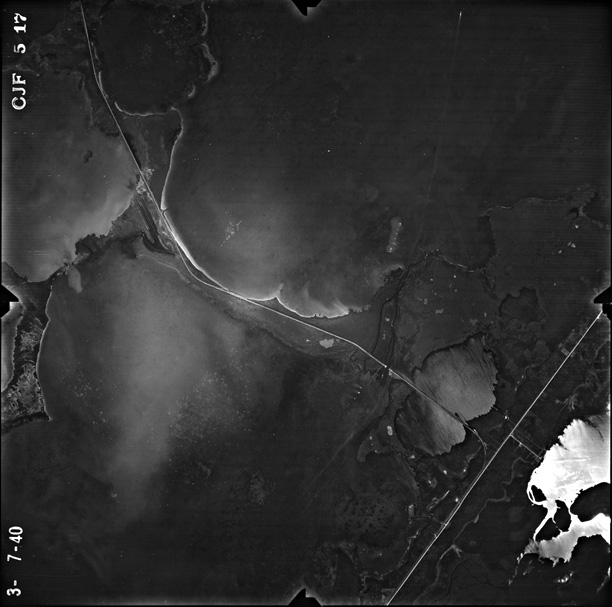
Long-term management ensures lasting ecological recovery
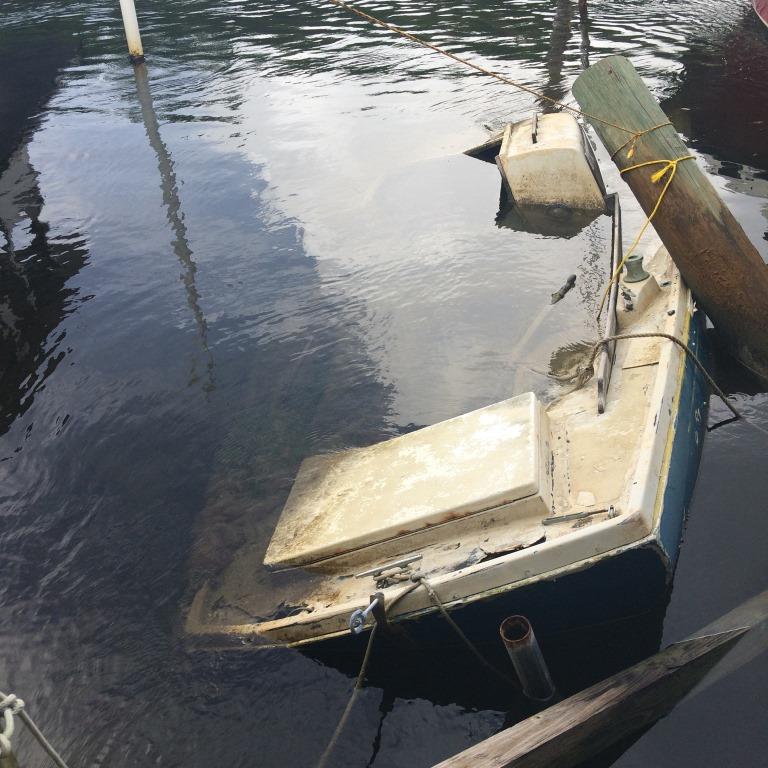
Waterway protection stops damage before it spreads
Bringing Card Sound's ecosystems back to life
Restoration is not a theory. It's work done in the water, guided by data, driven by commitment. We plant, we repair, we protect.
Seagrass recovery
Scars on the seafloor heal slowly without help. We plant native seagrass and monitor growth, turning damaged areas into productive habitat again.
Mangrove planting
Young mangroves stabilize shorelines and provide nursery habitat for fish and crustaceans. We plant them where they're needed most.
Understanding Card Sound through rigorous field study
We measure what matters. Seagrass density, water clarity, mangrove vitality. Every data point tells the story of Card Sound's health.
Seagrass mapping
We track seagrass beds across Card Sound, measuring density and identifying areas where recovery is possible. Scar mapping shows us where boats have damaged the bottom.
Water quality
Salinity, temperature, dissolved oxygen. We monitor these indicators year-round to understand what Card Sound needs to thrive.
Building Card Sound's ecological foundation
Restoration only works when it is measurable and maintained over time. We establish ecological baselines that document Card Sound’s condition today so change can be tracked, verified, and managed into the future. This work creates the foundation needed to turn restoration into lasting ecological value.
Reliable ecological baselines
By documenting habitat condition, water quality, and ecological function, we create a clear record of how Card Sound is changing. Long-term monitoring allows improvements to be measured and supports the generation of environmental credits tied directly to restoration performance.
Mitigation banking support
Baseline data and monitoring make large-scale restoration possible. They also support the generation of compensatory mitigation credits, which can be sold to offset permitted impacts to aquatic resources elsewhere.
Mitigation banking allows restoration to be planned, implemented, and managed at scale. Credit sales help fund long-term stewardship, monitoring, and continued restoration in Card Sound.
Compensatory Mitigation
When impacts to aquatic resources cannot be avoided, compensatory mitigation is used to offset those impacts through restoration, enhancement, or preservation of habitat within the same ecological system.
In Card Sound, compensatory mitigation is structured to generate credits based on measurable improvements in ecological function. These credits may be sold to permittees to meet regulatory requirements, linking responsible development with real environmental recovery.
Mitigation Bank
The Card Sound Aquatic Preserve Mitigation Bank is envisioned as a long-term restoration and stewardship effort focused on submerged habitats, including seagrass meadows, estuarine benthic communities, and mangrove-associated systems.
By consolidating restoration into a single, well-managed preserve, the mitigation bank:
- Generates mitigation credits tied to ecological uplift
- Provides a clear and transparent pathway for credit sales
- Supports long-term management and monitoring
This model ensures restoration is durable and properly maintained.
UMAM Credits
Mitigation outcomes are evaluated using Florida’s Uniform Mitigation Assessment Method (UMAM). UMAM credits reflect ecological function rather than acreage alone and are based on improvements in habitat condition, sustainability, and long-term resilience.
UMAM credits generated through restoration may be sold to offset unavoidable impacts, ensuring mitigation delivers measurable and enforceable ecological benefit.
Blue Carbon Credits
Mangroves and seagrass naturally capture and store carbon in plant material and underlying sediments. Restoring and protecting these habitats creates the potential to quantify and verify long-term carbon storage, commonly known as blue carbon.
Where applicable standards and methodologies are met, blue carbon credits may be generated and sold to organizations seeking to offset carbon emissions. Revenue from carbon credits can be reinvested into continued restoration, monitoring, and stewardship of Card Sound.
Why This Matters
By combining compensatory mitigation and blue carbon credit generation, restoration in Card Sound becomes self-sustaining. Environmental impacts are offset, carbon is sequestered, and long-term restoration is funded through performance-based credit markets.
This approach supports both ecological recovery and lasting protection of Card Sound.
Stopping damage before it spreads through Card Sound
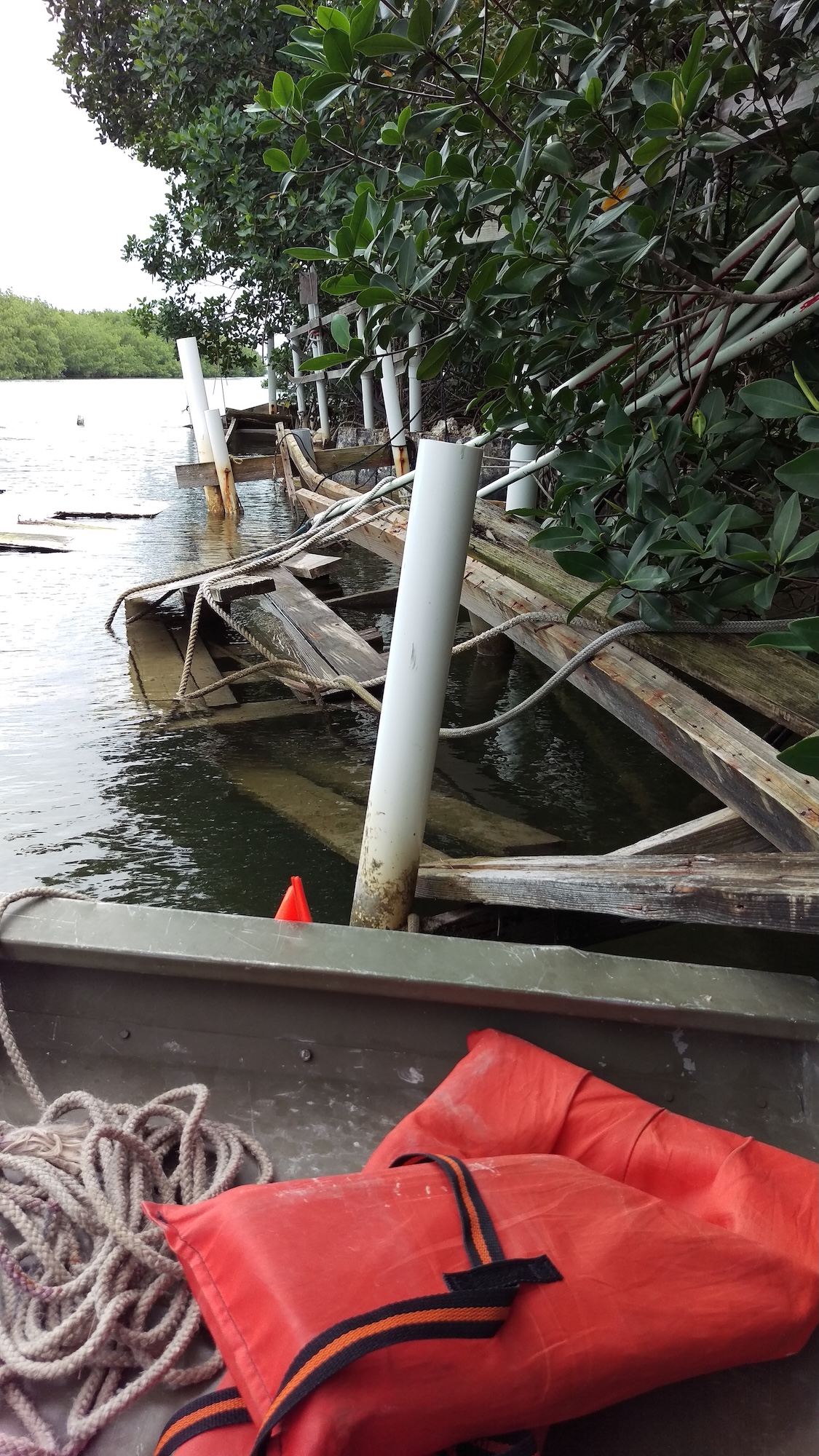
Mitigation and protection mean vigilance. We document what harms Card Sound, report it, and work with partners to prevent it from happening again.
Protect What Still Works
Preserving intact habitat is as important as restoring what has been lost. By safeguarding healthy mangroves, seagrass, and waterways, we prevent future degradation and reduce the need for intervention.
Make Restoration Possible
Every contribution funds the fieldwork, monitoring, and community partnerships that restore Card Sound.
Make restoration possible
Every contribution funds the fieldwork, monitoring, and community partnerships that restore Card Sound.