Card Sound's waters hold stories of resilience

Indigenous Stewardship of Card Sound
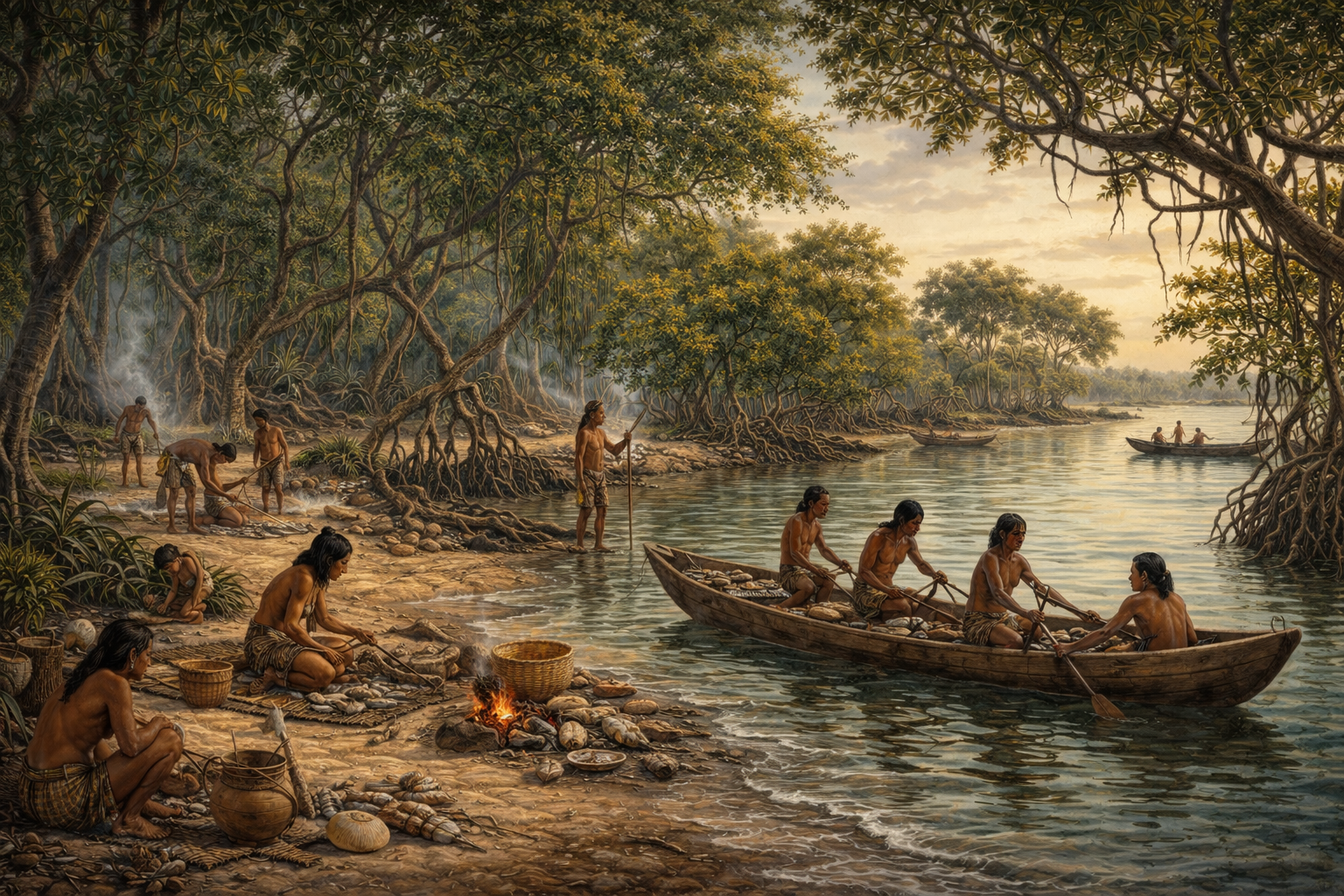
Long before Card Sound became a place of restoration, it was home to the Tequesta, whose ancestral territory encompassed the Biscayne Bay–Card Sound region for thousands of years prior to European contact. They understood these waters with the intimacy of generations. They moved through the mangroves and shallow bays with purpose, reading the tides and seasons like others read books. Archaeological evidence from nearby coastal sites shows long-term reliance on fisheries, shellfish, and mangrove-associated resources. The fish were abundant. The water was clear. Life moved in rhythm with the rhythm of the sea.
European Contact and the Disruption of Coastal Life
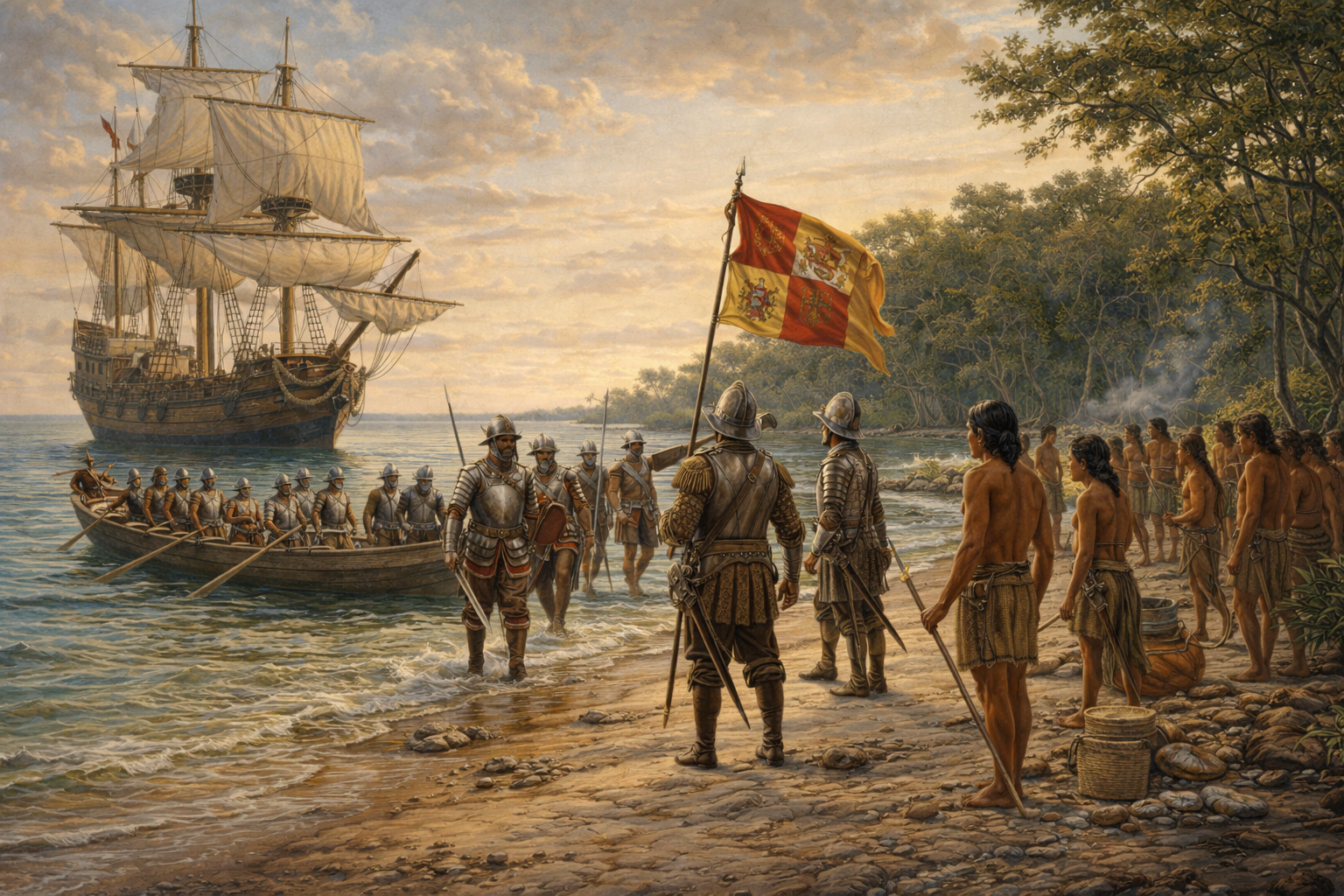
When Spanish explorers arrived in the sixteenth century, they encountered a thriving maritime culture already deeply adapted to this estuarine system. The Tequesta had built their world around these waters, harvesting what the Sound provided and protecting what sustained them. They knew Card Sound not as a place to conquer but as a place to live within. Their knowledge of these ecosystems ran deep, passed down through stories and practice across centuries.
The early colonial period brought change that would reshape everything. European settlement expanded inland and along the coasts, and Indigenous populations faced displacement, disease, and violence following contact. By the eighteenth century, permanent Tequesta settlements in the region had largely disappeared. Indigenous use of South Florida’s coastal waters did not vanish entirely, but shifted to more intermittent patterns, influenced in part by neighboring maritime cultures such as the Calusa, whose influence extended across much of Florida’s Gulf and southern coasts. The legacy of these early relationships with the water remained embedded in the landscape and in the ecological patterns that continued to define Card Sound.
Working Waters: Fishing, Livelihoods, and Balance
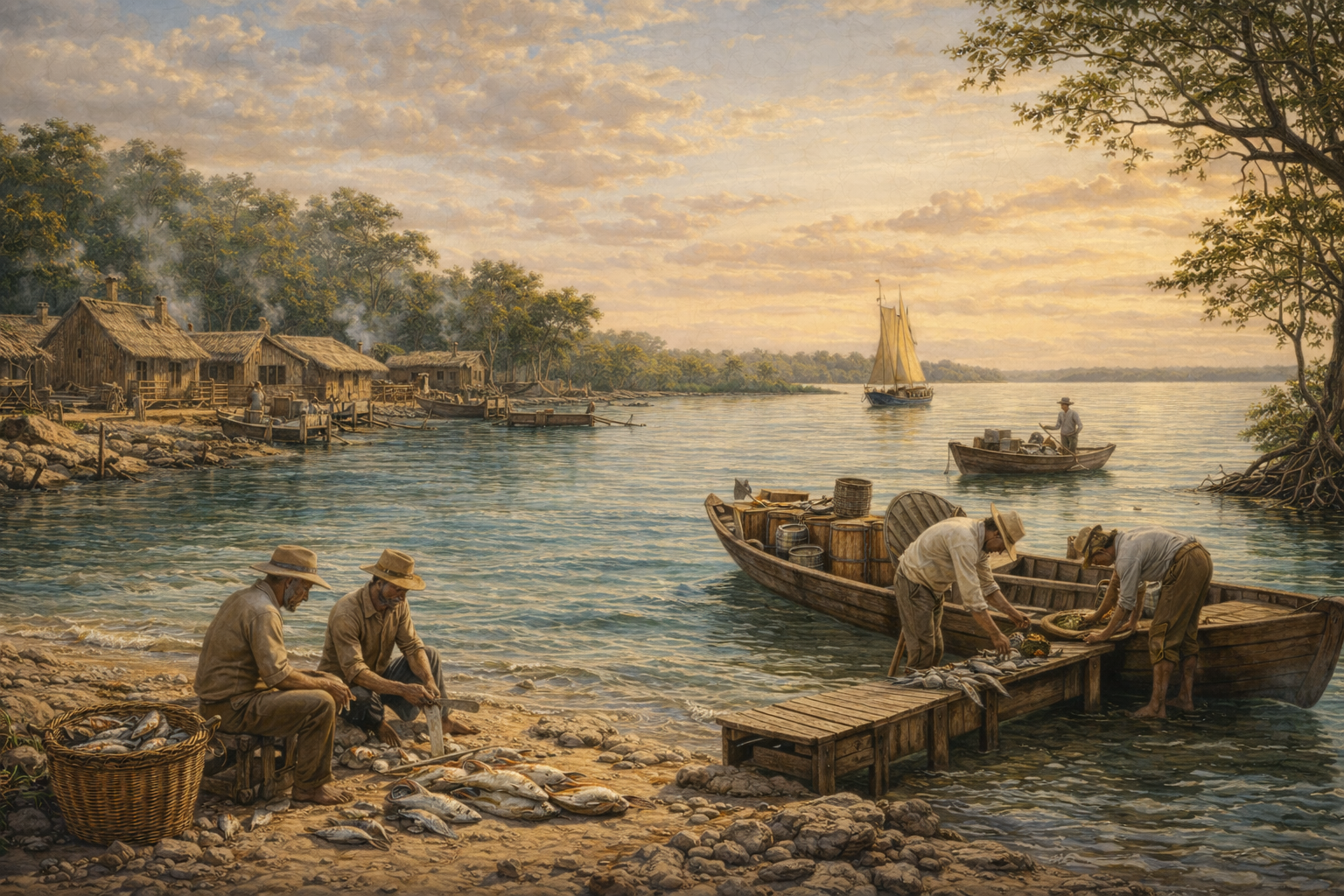
Throughout the nineteenth and early twentieth centuries, Card Sound became a place of commerce and survival. Small-scale commercial and subsistence fishing operations relied on the Sound’s shallow flats, mangrove-lined shorelines, and extensive seagrass meadows. Fishing families made their living from these waters, understanding seasonal patterns and the abundance that came with respecting the ecosystem. They were stewards without calling themselves that, working within natural systems rather than against them. Mangroves provided shelter and nursery habitat for juvenile fish. Seagrass beds stabilized sediments, filtered the water, and supported fisheries far beyond the Sound itself. The system worked because people understood their place within it.
By the mid-twentieth century, two major forces reshaped the shoreline. To the north, a Cold War-era military facility known as the Nike missile base was constructed in the 1960s, clearing hardwood hammock and mangrove wetlands near present-day North Key Largo. This missile installation, built for continental defense after the Cuban Missile Crisis, left behind elevated fill pads, radar towers, and fuel tanks. When decommissioned in the late 1970s, the facility became part of the Crocodile Lake National Wildlife Refuge, and much of its infrastructure was later removed to allow for reforestation and habitat restoration.
To the south, a rustic and unregulated fishing village flourished along Card Sound Road. Known informally as “Downtown Card Sound,” this community of shacks, houseboats, docks, and trailers was home to commercial fishers and locals living off the land and water. With no sewer, trash service, or regulation, this community became both a cultural landmark and a source of environmental degradation. Fuel and waste leached into surrounding mangroves, vessels were abandoned in creeks, and the remnants of decades of informal use began to accumulate. At its peak, more than a hundred people lived in the village. By the 1990s, most structures were abandoned or collapsed, and the shoreline bore the scars of long-term neglect.
From Decline to Restoration
By the nineteen seventies and eighties, Card Sound had become a system in crisis. Seagrass coverage declined dramatically across large portions of the Sound. Water quality degraded as nutrient enrichment fueled algal growth that shaded remaining seagrass. Mangrove forests, essential nursery habitat, were reduced and fragmented. What had functioned for generations was failing within a matter of decades.
This period marked a turning point. Scientists, local residents, and conservationists began asking what could be done, not to return to a perfect past, but to restore what was still possible. Card Sound was designated as part of Florida’s Aquatic Preserve system, placing submerged lands under public trust protections and emphasizing the preservation of water quality, fish and wildlife habitat, and natural shoreline conditions. In 2016, the preserve was dedicated to the John Gautier Aquatic Preserve to honor longtime local resident John Gautier, whose family supported the fishing community and later donated the degraded shoreline property for restoration and permanent protection . The story of the Card Sound Aquatic Preserve does not begin at the beginning, but at the moment people chose to intervene.
Early restoration efforts were modest but deliberate. Volunteers and local partners planted mangroves in shallow shoreline areas. Long-term water quality monitoring stations were installed to track change over time. Seagrass restoration occurred in select locations where conditions allowed. It was slow work, guided by science and patience, because restoration happens on nature’s timeline. Over time, the system began to respond. Water clarity improved in restored areas. Mangroves established and expanded. Fish began to return.
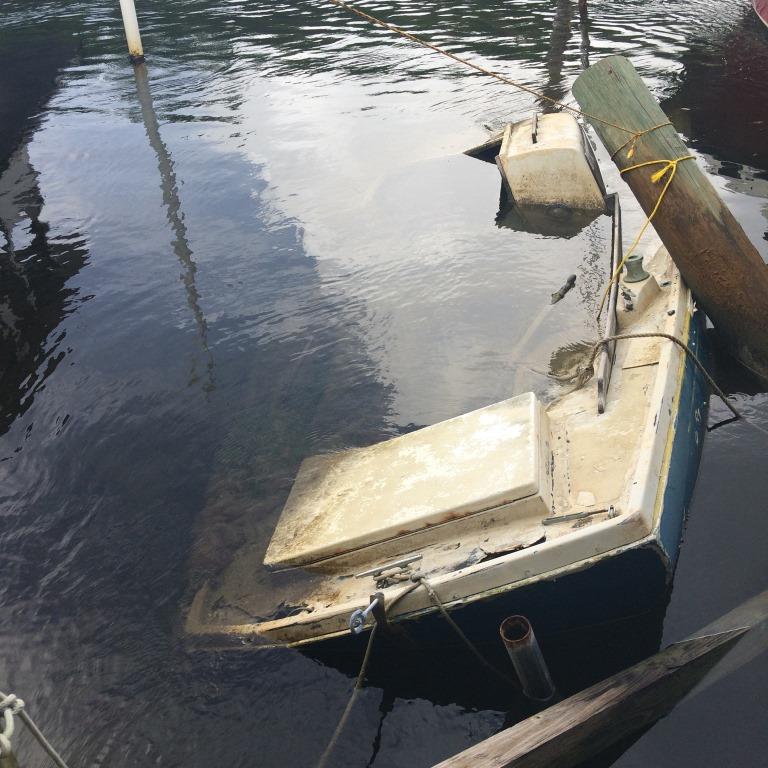
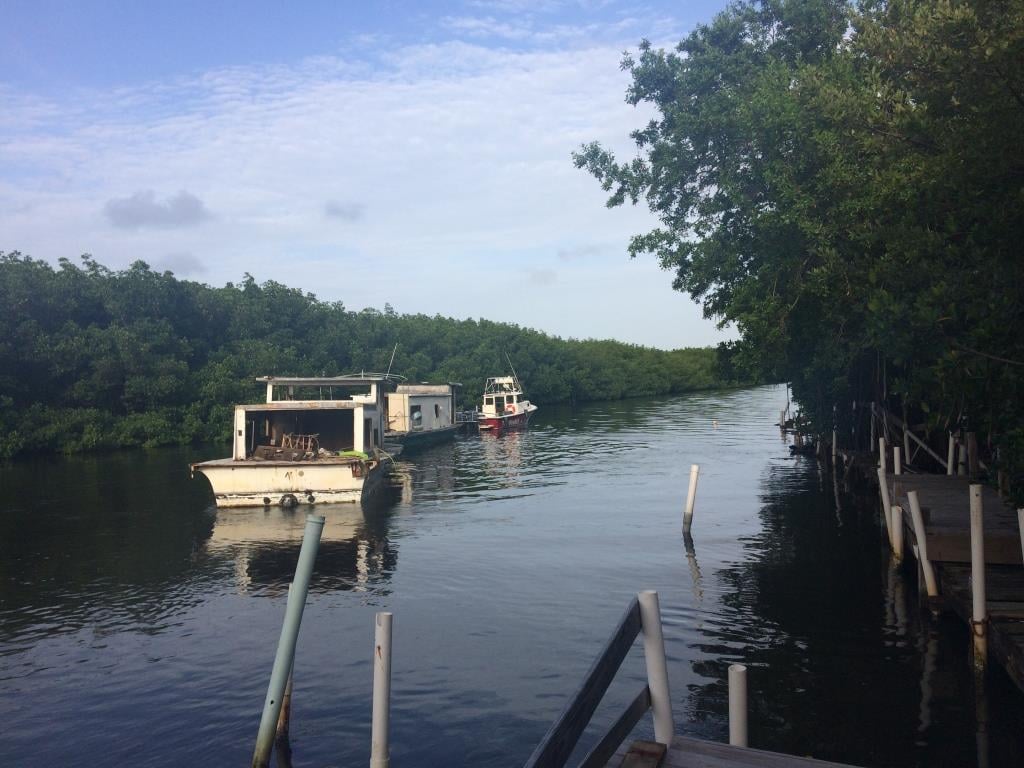
Restoration also required confronting legacy damage along the shoreline. In North Key Largo, portions of Card Sound Road had accumulated decades of environmental degradation, including derelict vessels, unpermitted docks, collapsing structures, and dumped debris that impaired adjacent mangrove and seagrass habitat. Beginning in the early 2010s, coordinated cleanup efforts were undertaken to remove these impacts and restore ecological function. The removal project was led by Fredrick Baddour, President of Artificial Reefs International Preservation Trust, working in coordination with county code compliance, state agencies, and nonprofit partners. Sunken boats and unsafe structures were removed, shorelines stabilized, and long-term monitoring implemented to support habitat recovery. Following the completion of this effort, the property was donated by Petsy Gautier Mezey for conservation in her father’s name, adding more than 180 acres of mangrove shoreline and submerged seagrass beds to permanent protection.
Today, the Card Sound Aquatic Preserve and adjacent protected lands provide critical habitat for a range of imperiled wildlife. The shallow waters and mangroves support juvenile fish and wading birds. The seagrass beds offer forage and shelter for manatees, sea turtles, and horseshoe crabs. American crocodiles nest along quiet shorelines, while endangered Key Largo woodrats and Eastern indigo snakes find refuge in restored uplands. These species, and the habitats they depend on, are part of what makes Card Sound worth protecting.
What makes the history of Card Sound remarkable is not that it was damaged, many places have been, but that people chose to act. They recognized that the Sound was worth protecting, and that the knowledge of fishing families and Indigenous communities before them held lessons about how to live with these waters rather than against them.
The restoration of Card Sound is still unfolding. It is not a story with an ending, but one that continues with each season, each monitoring effort, and each restoration project that builds ecological resilience. The history of Card Sound is a history of people learning to listen to what the water needs, and then doing the work to provide it.
This history reflects documented ecological trends and regional research; supporting data, agency records, and source materials are available upon request.
Historic photographs
Early maps and artifacts documenting Card Sound's past

Join us in restoring Card Sound
Your support makes the difference between a degraded sound and a thriving one