
Building With the Water

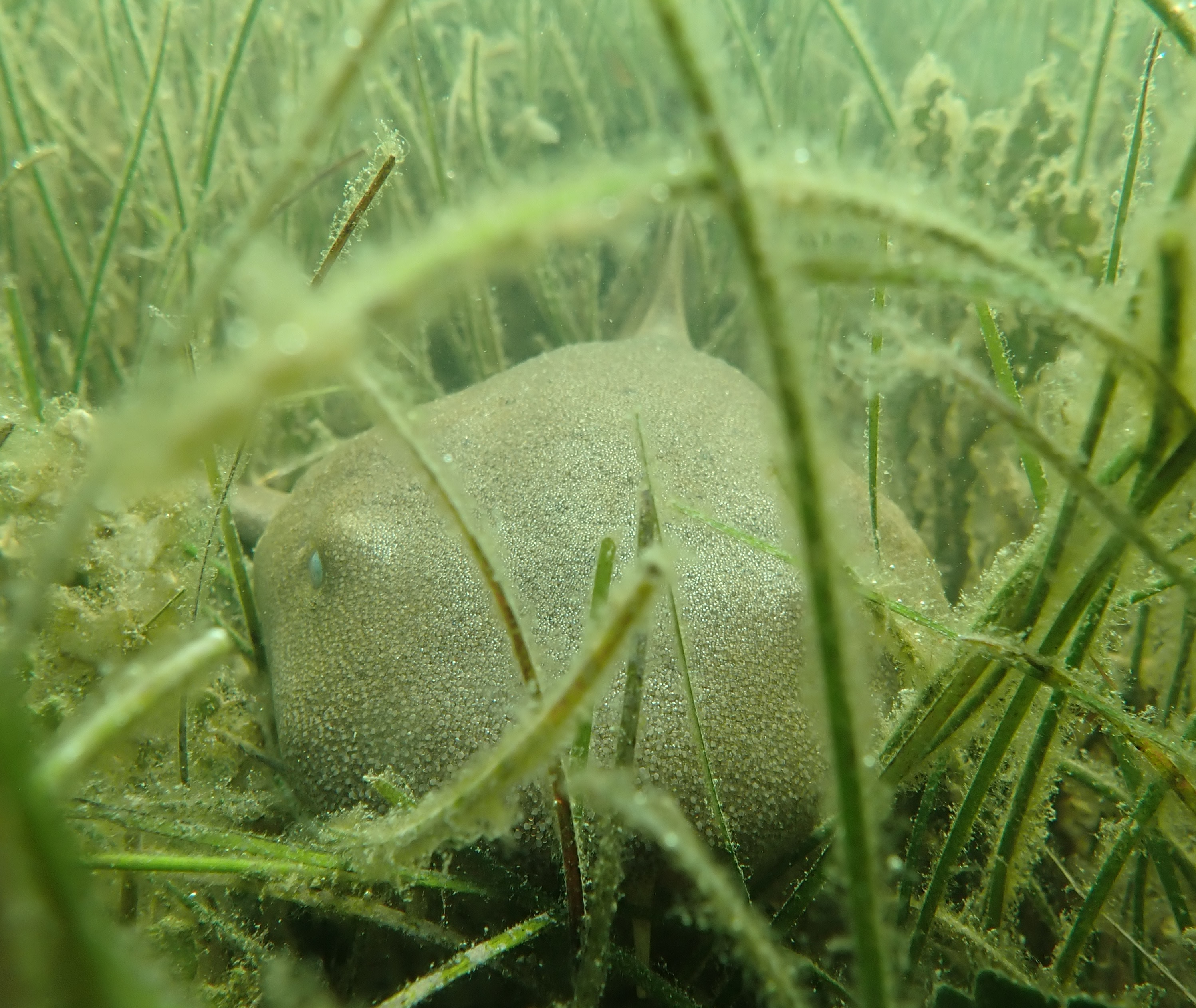
The water was clear that morning, the kind of clear that makes you believe in second chances. We arrived at dawn with our planting crew, boots already wet before the sun broke the horizon. Three months of preparation had led to this moment, two acres of Card Sound ready to receive what it had lost.
Seagrass once covered these waters like a green blanket, filtering the light and holding the bottom firm. Fish came here to hide and hunt. Crabs found shelter. The whole system breathed. Then the water turned murky, the grass died back, and the life that depended on it scattered.
We started planting at first light. Each shoot went into the sand with care, the kind of attention you give something you're trying to save. The volunteers worked in lines, moving methodically through the shallows. Some had done this before. Others were here for the first time, learning what it meant to restore a place by hand.
By midday, we had planted over ten thousand shoots. The work was hard and repetitive, but there was something honest about it. No computer models or projections, just people in the water, doing what needed to be done. The seagrass would either take or it wouldn't. We had given it the chance.
The data we collected tells part of the story. Water clarity improved by thirty percent in the first month. Nitrogen levels dropped. The sediment stabilized. But the real measure came from what we saw moving through the grass as it grew, juvenile fish we hadn't observed in years, blue crabs establishing territories, the whole ecosystem beginning to remember how to function.
One afternoon, a volunteer named Marcus stood in the shallow water, watching a small tarpon move through the new seagrass. He didn't say much, just watched. That's when you know the work matters, not in the data or the reports, but in that moment when someone sees a fish where there shouldn't be one, and understands that they helped put it there.
The challenges remain. Water quality still fluctuates with storms and runoff. Some of the planted shoots didn't establish. The work of restoration isn't finished in a season or a year. It's ongoing, patient, sometimes frustrating. But the seagrass is coming back. The fish are returning. Card Sound is healing itself, and we're here to help it along.
This is what restoration looks like, not a grand gesture, but a commitment to showing up, doing the work, and trusting that the water remembers what it was meant to be.
Make a difference today
Card Sound's recovery depends on people who care enough to act. Your support, whether through donations, volunteer hours, or spreading the word, keeps this work moving forward.